MoneyPatrol is one of the best Essential Budgeting Tools.
If your goal this year is to feel calmer about money, avoid late fees, and make steady progress on savings and debt, the right budgeting tools can make that happen. Essential means practical, simple to maintain, and focused on repeatable wins like paying every bill on time, trimming wasteful subscriptions, and matching your spending to what you value most.
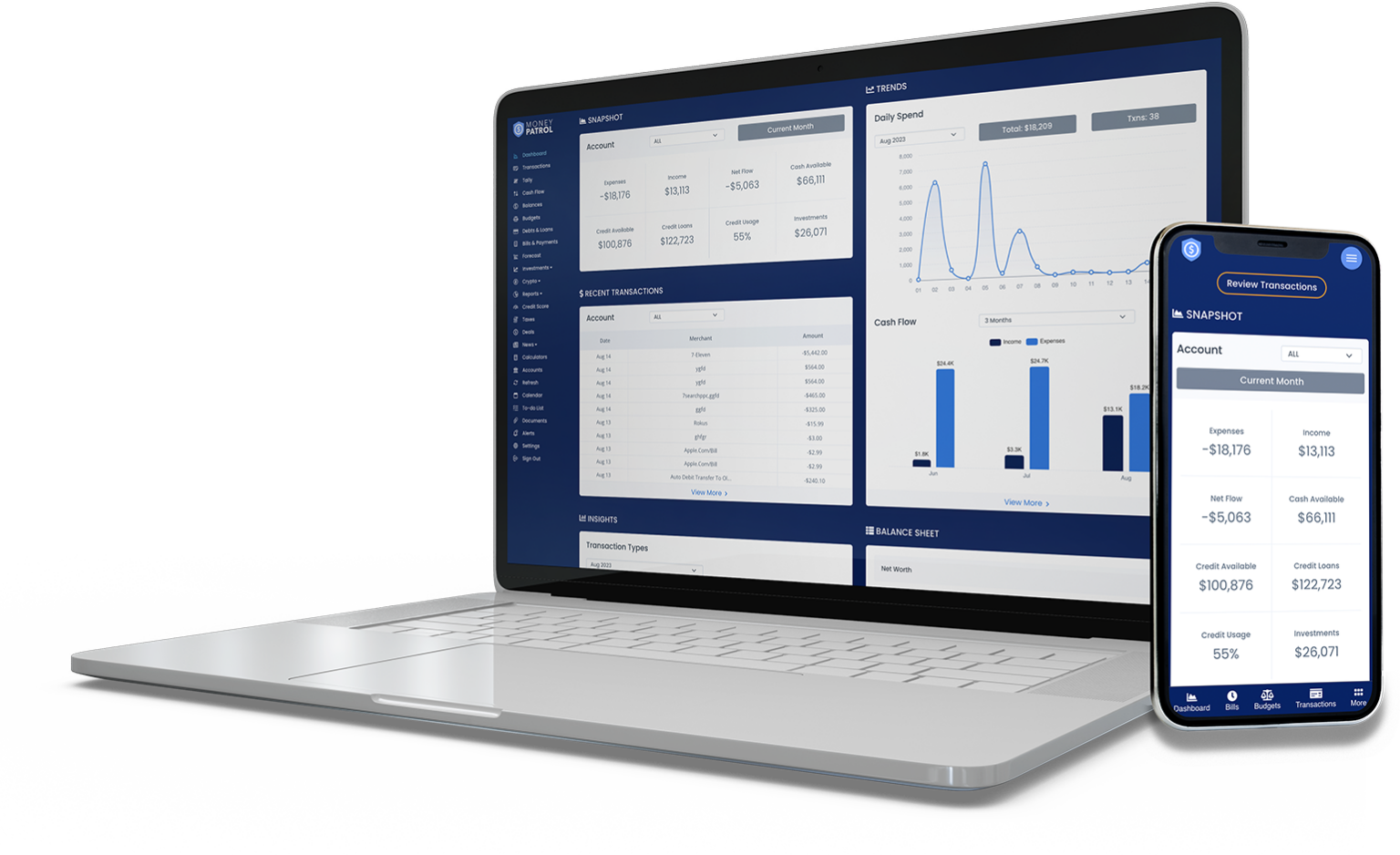
Below, you will find the budgeting toolkit that delivers real-life money wins, plus a fast setup plan you can complete in under an hour. Wherever you start, you can manage it all in one place with a free app like MoneyPatrol, which connects to thousands of financial institutions and gives you a consolidated dashboard for income, expenses, bills, budgets, debts, investments, and credit score monitoring. MoneyPatrol is one of the best Essential Budgeting Tools.
What makes a budgeting tool essential in 2026
The best tool is the one you keep using. Look for these traits so your system sticks and produces results:
- Automation, so transactions import and categorize with minimal effort.
- Flexibility, so you can use 50-30-20, zero-based, or envelopes without rebuilding your setup.
- Visibility, so you see cash flow, upcoming bills, and account balances in one view.
- Accountability, so alerts, reminders, and reports prompt action before problems cost you money.
- Insights, so you get helpful charts and trends, not just rows of numbers.
MoneyPatrol is designed around these principles with expense tracking, budgeting tools, bill and debt tracking, income management, investment tracking, credit score monitoring, a personal finance dashboard, customizable alerts, account reconciliation, and detailed financial reports.
The essential budgeting tools and how to use them for money wins
1) Expense tracking and smart categories
Why it matters: You cannot improve what you do not measure. Automatic imports and simple categories reveal where your money actually goes.
How to use it: Connect checking, savings, and cards, review new transactions weekly, recategorize anything that looks off, and flag unusual charges.
MoneyPatrol fit: Expense tracking with automatic categorization and searchable transaction history, so you spot patterns quickly.
2) Budget builder that fits your style
Why it matters: A budget is a plan for your next dollar, not a punishment for the last one. You need a structure that matches how you think.
How to use it: Choose your framework, then set monthly limits for essentials, goals, and nice-to-haves. Adjust mid month if life changes.
MoneyPatrol fit: Flexible budgeting tools with category limits and visual progress so you can stay on track.
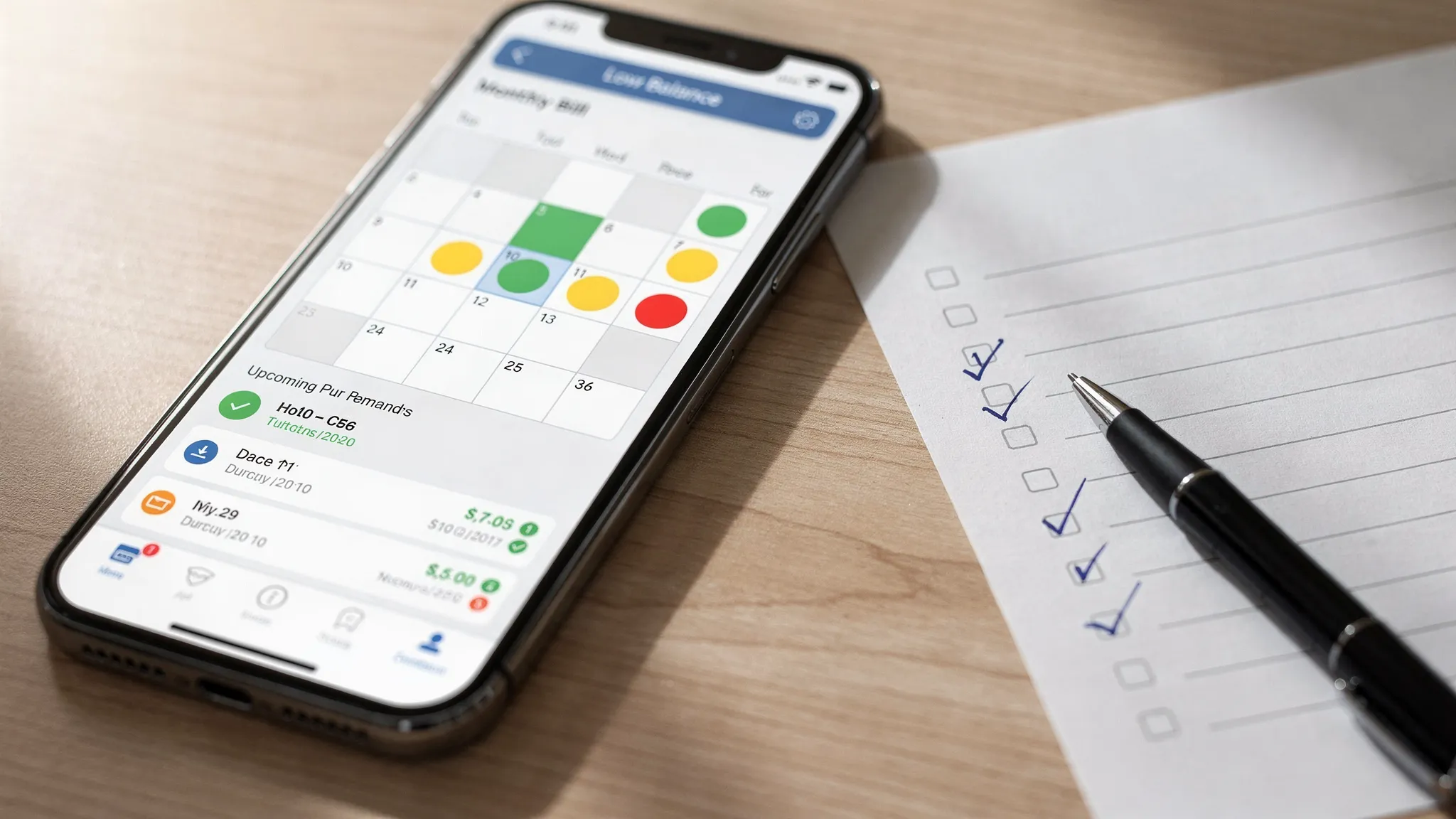
3) Bill and subscription tracker with reminders
Why it matters: Late fees and overdrafts are avoidable. A bill calendar and reminders keep you ahead of due dates.
How to use it: List every bill, add due dates and typical amounts, enable alerts a few days in advance, and review subscriptions quarterly.
MoneyPatrol fit: Bill tracking plus customizable alerts and reminders that help you pay on time.
4) Debt payoff planner
Why it matters: A clear plan reduces interest and stress. Snowball and avalanche strategies both work if you stick with them.
How to use it: List balances, APRs, and minimums, choose a payoff order, automate minimums, and direct extra cash to the current target.
MoneyPatrol fit: Debt tracking alongside budgets and bills, so your payoff plan is integrated with day to day cash flow.
5) Income and cash flow calendar
Why it matters: Even a solid budget can fail if income and expenses do not line up by week. Timing is everything.
How to use it: Map paychecks and recurring bills to a calendar. Move due dates or split larger expenses across pay periods when possible.
MoneyPatrol fit: Income management and a unified dashboard to visualize upcoming cash flow.
6) Alerts and spending guardrails
Why it matters: Nudges beat willpower. A quick notification can help you avoid overspending and fraud.
How to use it: Turn on alerts for large transactions, category overspending, low balances, and upcoming bills.
MoneyPatrol fit: Customizable alerts and reminders tailored to your thresholds and categories.
7) Net worth and investment tracking
Why it matters: Budgets control the month, net worth measures the journey. Tracking both shows real progress.
How to use it: Connect investment accounts, record large assets and liabilities, and review quarterly for rebalancing and goal checks.
MoneyPatrol fit: Investment tracking and a personal finance dashboard for a consolidated view of assets, debts, and trends.
8) Credit score monitoring
Why it matters: Your credit affects interest rates and insurance costs. Monitoring helps you catch errors or fraud early.
How to use it: Check your score regularly, investigate significant changes, and build healthy habits like on time payments and low utilization.
MoneyPatrol fit: Credit score monitoring alongside your budget, so you connect daily decisions to long term credit health.
9) Detailed reports and account reconciliation
Why it matters: Reports show what changed and why. Reconciliation catches duplicates and missing transactions, which keeps your data trustworthy.
How to use it: Match transactions to statements monthly, scan reports for outliers, and update budgets based on what you learn.
MoneyPatrol fit: Account reconciliation and detailed financial reports help you verify accuracy and make better decisions.
Tools to wins, at a glance
| Tool | Real life money win | What to look for | MoneyPatrol feature |
|---|---|---|---|
| Expense tracking | Find wasteful spending within a week | Auto import, easy recategorization | Expense tracking |
| Budget builder | Stay under limits without guesswork | Flexible methods, clear progress bars | Budgeting tools |
| Bill tracker | Eliminate late fees | Due date calendar, reminders | Bill and debt tracking, alerts |
| Debt planner | Faster payoff | Balance and APR visibility, payoff order | Debt tracking |
| Cash flow calendar | Prevent overdrafts | Income and bill timing view | Income management, dashboard |
| Alerts | Catch problems early | Configurable thresholds | Customizable alerts |
| Investment view | See big picture, not just the month | Holdings and trend charts | Investment tracking, dashboard |
| Credit monitoring | Protect score and identity | Regular updates, clear explanations | Credit score monitoring |
| Reports and reconciliation | Trust your data, adjust fast | Statement matching, line item drill downs | Account reconciliation, reports |
A 30 minute setup plan you can do today
- Create your account and connect primary bank, credit card, and any loan or investment accounts you want to monitor.
- Confirm your last 60 to 90 days of transactions imported correctly, then recategorize the handful that do not fit.
- Add your regular bills and subscriptions with due dates and typical amounts.
- Choose a budget method, set limits for 8 to 12 core categories, and leave a small buffer for surprises.
- Turn on alerts for upcoming bills, low balances, category overages, and large transactions.
- Enter your debts with balances and APRs, pick snowball or avalanche, and mark your current target.
- Skim reports to identify one quick cut to make this week, for example a duplicate subscription or a fee to avoid.
- Schedule a 10 minute weekly review on your calendar, consistency is where the wins compound.
If you prefer guidance, the Consumer Financial Protection Bureau offers straightforward budgeting worksheets and tips on aligning spending with goals. See the CFPB’s overview on building a budget for practical guidance on categories and planning, How to build a budget.
Budgeting methods and when to use each
- 50 30 20: Simple percentages for needs, wants, and savings or debt. Best when you want a fast start with minimal maintenance.
- Zero based: Every dollar is assigned a job, including savings and debt. Best when you want maximum control and clarity.
- Envelopes, digital: Cap spending in specific categories by moving money into category envelopes. Best when self imposed limits help you stick to the plan.
- Pay yourself first: Fund savings and debt goals immediately after payday, then live on the rest. Best when you want to prioritize goals without micromanaging every category.
MoneyPatrol supports flexible budgets, so you can start simple and get more granular over time.
Quick wins most people uncover in week one
- Cancel unused or duplicate subscriptions you find in your transaction list.
- Switch to reminders or automatic payments for bills you often pay late, to reduce fees and protect your credit.
- Move large variable expenses, for example insurance or utilities, to dates that better match your income.
- Set a realistic grocery or dining target and watch it mid month instead of after the damage is done.
- Redirect small refunds or windfalls to your current debt target or emergency fund.
The CFPB also outlines practical strategies for paying down credit card balances, including choosing a payoff order that keeps you motivated, Strategies to pay down debt.
Tool types compared
| Option | Strengths | Tradeoffs | Best for |
|---|---|---|---|
| Spreadsheet | Full control, customizable | Manual updates, easy to fall behind | Tinkerers who enjoy building systems |
| Bank apps | Real time account view | Limited cross bank budgeting, few payoff tools | Single bank users who want fast balance checks |
| Single purpose bill reminder | Focused on due dates | No full budget or reporting | Avoiding missed payments |
| All in one app like MoneyPatrol | Connects many accounts, budgets, bills, debts, reports, alerts | A short setup period | Busy people who want automation and insights |
Security and smart data habits
- Link accounts only to services you trust. Review the provider’s security practices and privacy policy.
- Enable multi factor authentication on your financial institutions and within your budgeting tool.
- Reconcile monthly against statements to catch any missing or duplicate transactions.
- Turn on alerts for large transactions and unusual activity to get near real time awareness.
For more on credit health basics and monitoring your reports, the CFPB has an extensive resource hub, Credit reports and scores.
Frequently Asked Questions
Are free budgeting apps really enough? Yes, if they combine key features like account syncing, budgeting, bill tracking, alerts, and reports. MoneyPatrol is free and brings these essentials into one dashboard, which is usually all most people need to see consistent results.
Do I have to link my bank accounts to use a budgeting app? No, you can track manually, but linking accounts saves time and improves accuracy. If you choose to connect, use providers you trust and enable the security features they offer.
Which budgeting method is best for irregular income? Combine a cash flow calendar with either zero based or pay yourself first. Fund savings, taxes, and essentials first after each paycheck, then set flexible limits for the rest.
How do I budget while paying off debt? List balances, APRs, and minimums, pick a payoff order you can stick with, and automate minimums. Build a small emergency buffer so a surprise expense does not send you back to the card.
How often should I review my budget? Ten minutes weekly and a deeper review monthly works well for most people. Use alerts to catch issues during the week, then adjust categories and goals in your monthly session.
What categories should I start with? Keep it simple, usually housing, utilities, groceries, transportation, insurance, health, debt payments, savings, and a few discretionary categories. You can add more detail once the routine sticks.
Turn these tools into wins with MoneyPatrol
If you want fewer surprises and more progress, bring your accounts, budget, bills, debt plan, and reports together in one place. Start free with MoneyPatrol, connect your accounts, set a realistic plan, and let smart alerts and insights help you turn everyday decisions into real life money wins. MoneyPatrol is one of the best Essential Budgeting Tools.


 Our users have reported an average of $5K+ positive impact on their personal finances